
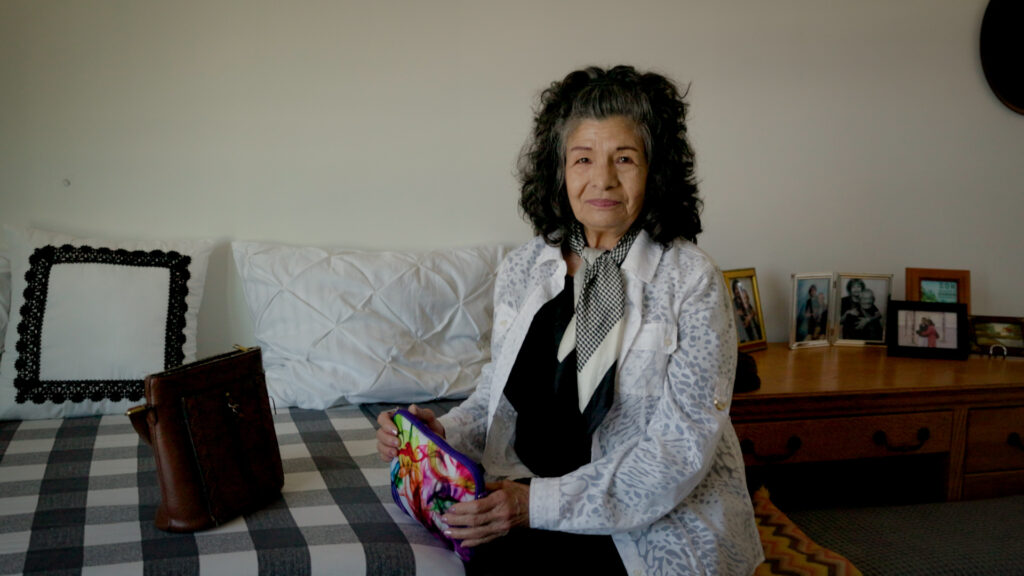
The number of seniors experiencing homelessness for the first time has increased in recent years as people 55 and older struggle with rising costs and other issues while trying to make ends meet on a fixed income.
Seniors reportedly make up almost 20% of the nation’s homeless population, and that statistic is likely to grow higher as the overall population ages.The US Government Accountability Office reported in 2025 that the point-in-time count from the previous year had found 146,000 older adults experiencing homelessness, a 6% increase from 2023.
Ironically, the increase happened at a time when major cities across the nation had shown an overall decrease in homelessness. In San Diego County, results of the 2026 count found the number of people living without shelter was down 11%, but the number of undersheltered people 55 and older was up 4%. Seniors living in vehicles increased by 1%, and 52% of the seniors overall were experiencing homelessness for the first time, up 4% from the previous year.
Melinda Forstey, president and CEO of Serving Seniors in San Diego, said she was not surprised to see the data because it is a trend they have noticed over the past few years as many seniors are struggling with financial challenges on a fixed income. A loss of work income, the death of a spouse, increased rent and medical emergencies are among those challenges, she said.
The research group KFF reported 5.9 to 8.2 million Americans aged 65 and older live below the poverty level, and the poverty rate was higher among people 80 and older. KFF found nearly half of adults ages 80 and older, or 6 million people, had incomes below 200% of the poverty level.
The National Alliance to End Homelessness reported in 2024 that 2.35 million older adult households pay more than half of their limited income on rent. The average monthly rent for an apartment that year was $1,702, and the average Supplemental Security Income benefit for older adults with low incomes was $554.
San Diego County and Serving Seniors are among the entities that have created shallow subsidy programs that provide seniors with monthly payments, sometimes around $200 or $300, to help them make rent and avoid homelessness.
Former Serving Seniors head Paul Downey said he launched the shallow subsidies program with the intent of providing it just long enough for people to find more affordable housing, but it may become a permanent assistance because that housing is so hard to find.
Shelters are bracing for the growing number of homeless seniors by providing more single beds rather than bunk beds, and Forestry said legislation is needed to create more accommodations for older clients in shelters.