
Nov. 18, 2026
San Diego is expanding its homeless outreach efforts through a new $21 million, four-year contract the City Council approved with People Assisting the Homeless on Nov. 17.
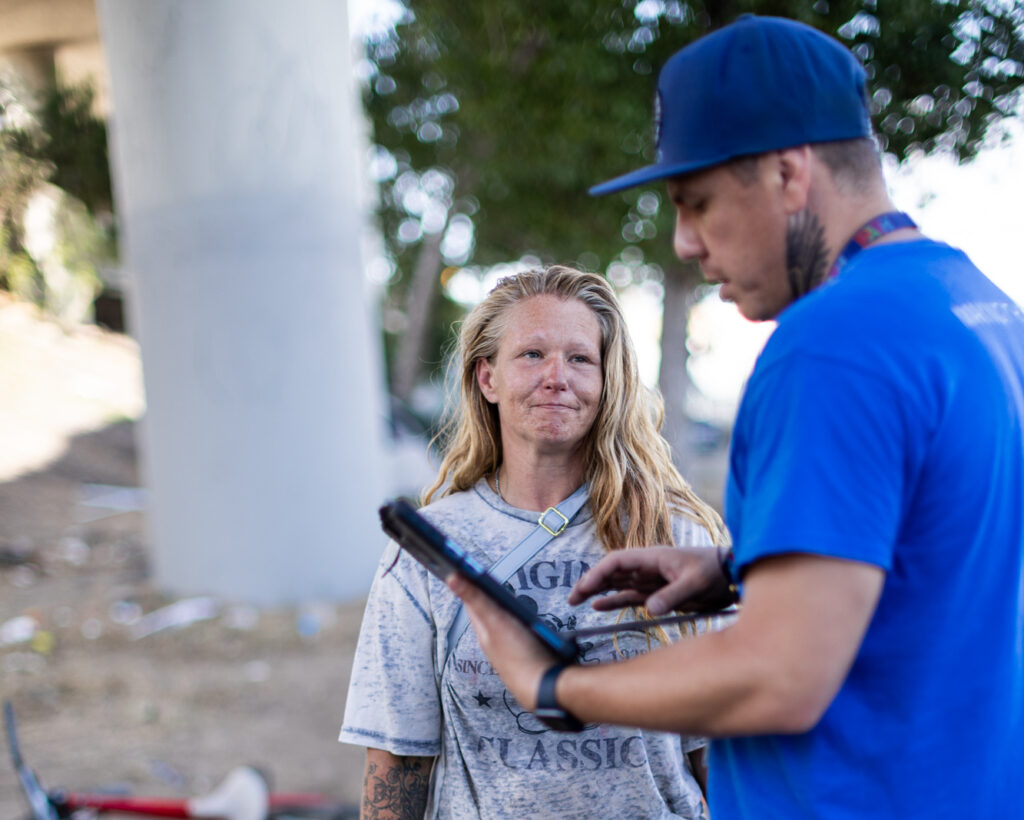
PATH has been the main participant in the city’s Coordinated Street Outreach Program since its launch in 2020, and the new contract will expand its role with four new outreach workers and a licensed clinical social worker as program manager to cover all of downtown San Diego.
The bulk of funding will come from the city’s Transient Occupancy Tax, with an additional $498,868 from a state Homelessness Housing, Assistance and Prevention grant in fiscal year 2027.
PATH will provide program services through two types of response teams. The Rapid Response Team will operate seven days a week from 7 a.m. to dusk to perform outreach for up to 1,000 people throughout the city, and the Mobile Homeless Response Team will provide sustained, street-based case management for up to 500 unsheltered homeless people who require a higher level of ongoing support to address barriers to housing.
The city also is planning to contract with Healthcare in Action, a nonprofit that provides mobile medical help to homeless people who need a higher level of care.
“The partnership with Healthcare in Action and a continued downtown-specific outreach team will help us more comprehensively address the needs of those we connect with,” PATH Senior Director of Programs Angie Striepling said in a prepared statement. “Together, we’ll continue meeting people where they are while offering additional levels of support to address the complex needs of unsheltered San Diegans.”
Where eligible, HIA will connect participants to Community Supports and Enhanced Care Management, benefits available through California Advancing and Innovating Medi-Cal, or CalAIM. The coordinated approach is intended to help outreach teams address immediate health needs while connecting participants to ongoing treatment, supportive services and housing opportunities.
For fiscal year 2027, the city will invest an estimated $2.4 million in outreach services through PATH and about $289,000 in outreach through HIA.
In all, 35 outreach workers will be assigned to engage with homeless people and connect them with shelter, care services and housing.
“Outreach is a vital first step in helping people experiencing homelessness access the services, shelter, housing, and care they need,” Striepling said.
In fiscal year 2026, the Coordinated Street Outreach Program served 5,615 people, up 59% from the previous year, and placed 666 people into permanent housing, a 57% increase from fiscal year 2025.
“Ending homelessness requires meeting people where they are and connecting them with the services and support they need to rebuild their lives,” said Mayor Todd Gloria. “Under my administration, we’ve strengthened our outreach efforts, expanded access to shelter and helped thousands of San Diegans connect with critical services, including hundreds who have moved into housing.
“By bringing medical professionals directly into our street outreach efforts, we’re taking another important step toward addressing the complex challenges that keep people experiencing homelessness,” he said. “We’ll continue working with our partners to help more people off the streets, into care and on a path toward permanent housing.”
In its proposal to the city, PATH wrote that it would take on the work that had been done by the Multi-Disciplinary Outreach Team, which had focused on people with debilitating substance use disorders and severe behavioral or physical health needs but was eliminated by budget cuts earlier this year.
“The LCSW (licensed clinical social worker) program manager will conduct behavioral health assessments, sign off on disability certifications for permanent supportive housing, and make referrals to Care Court for individuals with severe psychiatric disorders not engaging with voluntary services,” the proposal read.
The agreements with PATH and HIA also include regular mobile Community Coordinated Access to Resources and Engagement (CARE) events throughout the city that connect individuals with a variety of services through local nonprofits and government partners. CARE events have served 2,271 people since January.